Long-Lasting Deck Solutions: Discover the Finest in Outdoor Living
Durable deck solutions offer an effective method for upgrading outdoor recreational zones. By selecting materials that withstand the elements, property owners can attain both elegance and durability. Various options exist, each with unique benefits and aesthetic qualities. Consideration of climate and maintenance needs is essential in the decision-making process. As one explores the possibilities, the transformation of an outdoor area into a personal retreat becomes increasingly attainable. Learn how to select wisely for enduring satisfaction.
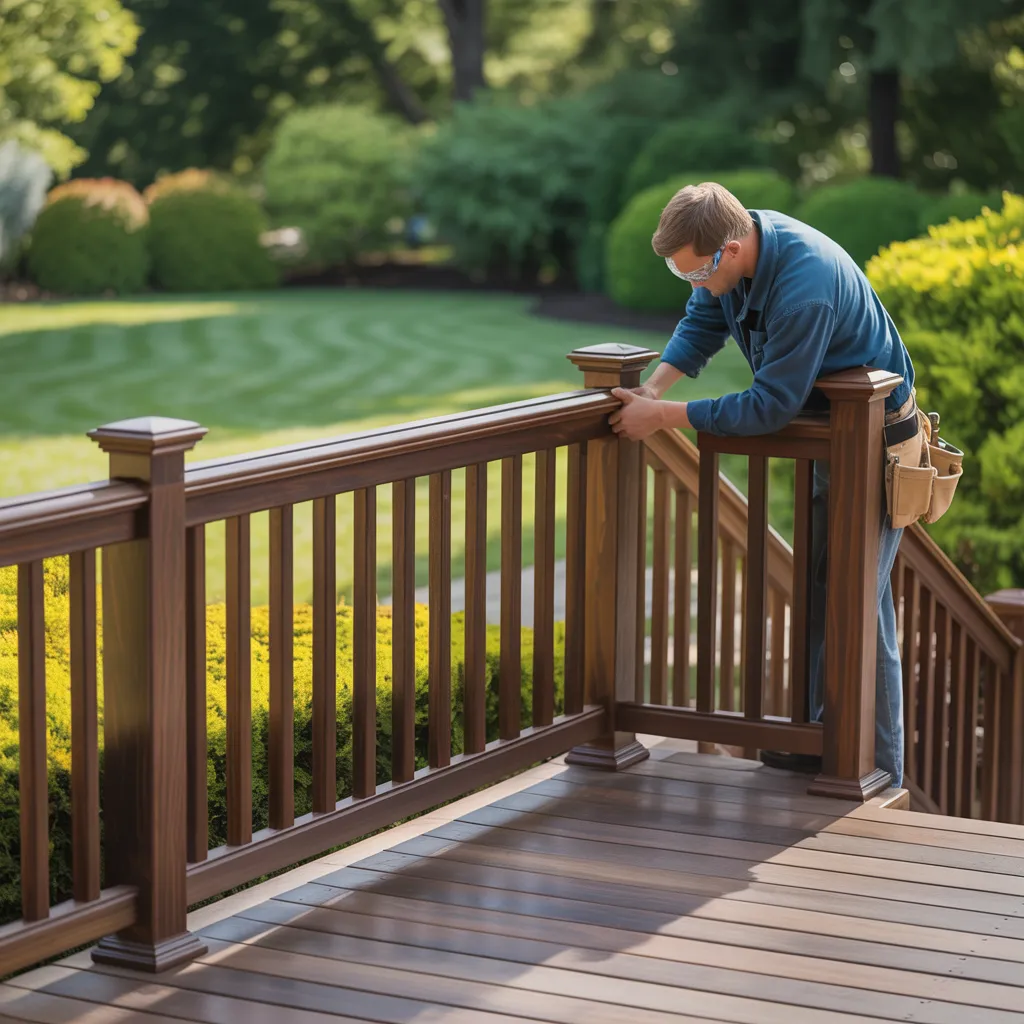
What Makes Durable Deck Materials the Right Choice for Your Outdoor Space?
When considering a outdoor living area, the decision of long-lasting decking materials is important, as they not only enhance aesthetic appeal but also assure longevity. Durable materials, such as composite decking, hardwood, and PVC, withstand the elements, decreasing the need for regular repairs or replacements. This resilience guarantees that the outdoor living area stays functional and visually appealing over time.
Furthermore, choosing high-quality decking materials can provide long-term savings on expenses. Homeowners are able to bypass the financial burdens associated with ongoing care, such as sealing or staining, that are commonly needed with inferior materials. Moreover, the sustainability factor of selecting environmentally responsible choices, like sustainably sourced hardwood or eco-friendly composites, should not be underestimated. These choices result in a lower environmental impact while creating a gorgeous and enduring outdoor space. In the end, selecting durable deck materials elevates both the experience of outdoor spaces but also the total value of a property.
Creative Concepts to Transform Your Outdoor Area
To elevate open-air environments, thoughtful design choices can make a significant impact. Inspired color palettes can transform the atmosphere, while functional furniture configurations provide both ease and functionality. Together, these elements can turn any deck into a comfortable haven.
Color Palettes That Inspire
What colors can truly transform an outdoor space into an enchanting retreat? A palette of soft earth tones, such as sandy beiges and muted greens, can create a serene atmosphere, harmonizing with nature. In contrast, vivid blues and warm yellows can revitalize the space, delivering a dynamic counterpoint to rich green surroundings. Adding bold, warm shades like deep terracotta or rustic reds can bring depth to the area, creating a comfortable and inviting atmosphere. For a sleek, modern look, opt for monochromatic arrangements using various gray tones, punctuated by striking bursts of color through decorative elements. At its core, the ideal color combination not only boosts aesthetic value but also affects the overall mood, fostering relaxation and delight in outdoor living spaces.
Practical Furniture Layouts
Designing a thoughtfully structured furniture setup can greatly enhance the practicality and visual appeal of an outdoor space. To start, arranging seating together promotes socializing, while combining chairs, benches, and loungers caters to various preferences. Moreover, situating a dining table adjacent to the kitchen or grill ensures ease during dining. Incorporating versatile pieces like storage ottomans or foldable tables optimizes available space. Layering rugs can define specific areas, introducing texture and coziness. In addition, integrating plants and decorative elements can soften hard surfaces and create a more inviting atmosphere. At its core, a well-planned furniture arrangement not only improves usability but also transforms the outdoor area into a stylish extension of the home, encouraging relaxation and enjoyment.
Leading Deck Materials for Maximum Longevity
When selecting deck materials, three main options emerge for their outstanding durability and long-lasting performance. To begin, composite decking blends wood fibers and recycled plastic, providing protection against moisture, rot, and insects. This combination not only reduces upkeep but also provides an appealing aesthetic. Second, PVC decking, produced entirely from man-made materials, is impervious to water and stains, ensuring a long lifespan without the need for sealing or painting. Its vibrant colors and textures maintain their appeal over time. Finally, premium hardwoods like Ipe and Teak are recognized for their exceptional strength and inherent resistance to outdoor elements. These dense woods can withstand heavy foot traffic and harsh weather conditions, making them an ideal selection for particular homeowners. Ultimately, each of these materials provides unique benefits, permitting buyers to decide based on their particular needs and tastes for exterior living spaces.
Vital Maintenance Tips for Prolonging the Lifespan of Your Deck
Preserving a deck is vital for ensuring its lifespan and attractive appearance. Regular cleaning is a fundamental step; debris, leaves, and dirt should be eliminated to stop the spread of mold and mildew. Using a gentle soap solution and a soft-bristle brush can preserve the surface's cleanliness without resulting in damage.
Resealing the deck once every one to three years is critical. This protective layer wards off moisture and UV damage, thereby preserving the wood's integrity and color. Moreover, routinely examining the deck for unsecured boards, rusted fasteners, or visible wear ensures that repairs can be made in a timely manner before damage progresses.
It is equally important to be cautious about placing large furniture pieces in the same location over prolonged stretches of time, as this can cause indentations. Furthermore, utilizing protective furniture pads under pieces works to spread the weight uniformly, lessening the strain placed on the deck surface. By adhering to these maintenance guidelines, homeowners can greatly extend the lifespan of their outdoor living areas.
How to Choose Decking Based on Your Climate
Selecting the right decking material is essential, especially since climate can considerably impact its long-term durability. In areas with significant humidity, such as coastal regions, materials like composite boards may be more suitable due to their durability against mold and deterioration. Conversely, arid regions can cause increased ultraviolet radiation, making natural hardwoods like teak or ipe suitable choices, as they naturally withstand sun damage.
In areas with cold climates, freeze-thaw cycles can affect decking materials. Here, treated wood and composite alternatives engineered for harsh conditions can provide longevity. Moreover, areas prone to heavy rainfall may take advantage of elevated designs or slatted decking to maintain effective water drainage.
Ultimately, understanding local weather patterns can guide homeowners in selecting materials that will not only enhance aesthetics but also stand the test of time, assuring a functional and beautiful outdoor space.
How to Budget for Your Dream Deck
When planning a dream deck, precise budgeting is vital. People should commence by reviewing their financial targets, estimating material costs, and considering labor fees. This organized strategy secures a feasible and manageable deck project.
Evaluate Your Financial Goals
What is the best way to budget for a dream deck that satisfies both design aspirations and financial constraints? To begin, establishing clear financial objectives is essential, figuring out how much money can be confidently set aside for the project without disrupting other financial commitments. Defining a spending range minimizes the risk of overspending and creates room for changes as the project evolves. Next, potential financing options should be explored, including savings, loans, or home equity lines, to understand available resources. Furthermore, ranking desired features allows homeowners to distinguish essential elements from optional ones, ensuring that critical components receive funding priority. Regularly reviewing and adjusting the budget throughout the planning phase guarantees alignment with financial goals, ultimately leading to a successful and satisfying outdoor living space.
Assess Material Costs
Budgeting for a dream deck requires an accurate estimation of material costs, which is a fundamental requirement in keeping the project aligned with budgetary constraints. Homeowners are encouraged to start by investigating the types of materials available, including wood, composite, and PVC. Each option comes with distinct pricing, durability, and maintenance considerations. Calculating the full square footage of the deck is essential to determine the quantity needed. Additionally, considering factors such as railing, stairs, and finishes will impact overall costs. Collecting bids from local vendors can give a better overview of projected expenditures. By gathering all of these assessments, homeowners can efficiently allocate resources for their perfect deck, aligning their vision with financial realities and preventing unforeseen financial burdens throughout the project.
Account For Labor Costs
Labor expenditures represent a key element of the overall budget when planning a dream deck. Homeowners should consider both direct and indirect costs associated with hiring professionals. Direct costs include wages for skilled laborers, while indirect costs might encompass insurance, permits, and equipment rentals. Requesting numerous estimates from various contractors helps secure the most competitive prices available. Moreover, a thorough understanding of the project's requirements enables homeowners to better estimate both time and labor costs. DIY options can reduce expenses, but they require careful assessment of skill levels and time commitment. In the end, properly accounting for labor costs enables homeowners to establish a practical financial plan, guaranteeing that their perfect deck is as stunning as it is affordable.
Transforming Your Backyard: Real-Life Deck Makeovers
Numerous homeowners have uncovered the remarkable impact of deck makeovers, converting everyday backyards into breathtaking outdoor sanctuaries. Such endeavors typically start with an inspired idea, whether it's creating a serene space for relaxation or an energetic space for hosting gatherings. Inspiring examples highlight a variety of aesthetics, from sleek composite elements to classic timber finishes, all customized to suit the homeowner's personal style.
One notable transformation included a small, neglected deck that was enlarged and reimagined with multiple tiers, featuring custom seating and atmospheric lighting. A separate undertaking showcased a full renovation, substituting worn lumber with resilient, minimal-upkeep materials, improving both usability and aesthetics.
Landscaping furthermore fulfills a critical purpose, with strategic plant placements and lighting enhancing the overall ambiance. Through committing to careful planning and premium materials, homeowners are accomplishing far more than renovating their decks; they are creating personalized outdoor sanctuaries that reflect their lifestyles and find out more preferences, transforming the complete outdoor living experience.

Frequently Asked Questions
What Environmental Effects Do Various Decking Materials Have?
Different decking choices have different environmental consequences. Natural wood plays a role in deforestation, while composite options often contain recycled plastics, minimizing landfill waste. Additionally, concrete presents a high carbon footprint, influencing overall sustainability in outdoor living spaces.
How Can I Enhance Safety on My Deck?
To increase safety on a deck, you should add non-slip surfaces, include sturdy railings, secure proper lighting, regularly inspect for structural integrity, and maintain the area free of debris to reduce the risk of accidents and injuries.
Can You Finance Your Decking Project?
A number of deck installation companies present financial solutions, including installment plans or relationships with banks and lenders. These payment alternatives can help homeowners handle expenses efficiently, enabling them to secure premium materials and skilled installation for their deck building endeavors.
What Permits Are Necessary for Deck Construction?
Deck building projects commonly require zoning approvals, building permits, and occasional environmental assessments. Local regulations vary, so it's essential for homeowners to consult their municipality to confirm full compliance with relevant legal obligations before beginning the project.
How Do I Choose the Right Contractor for My Deck?
To identify the right contractor for a deck, one should investigate qualifications, read reviews, review bids, check insurance, and assess communication skills. Ensuring compatibility with project vision is critical for a fruitful working relationship.